

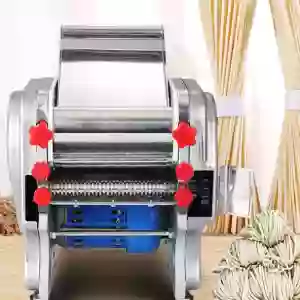

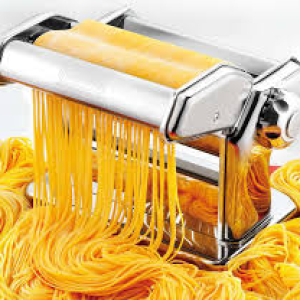
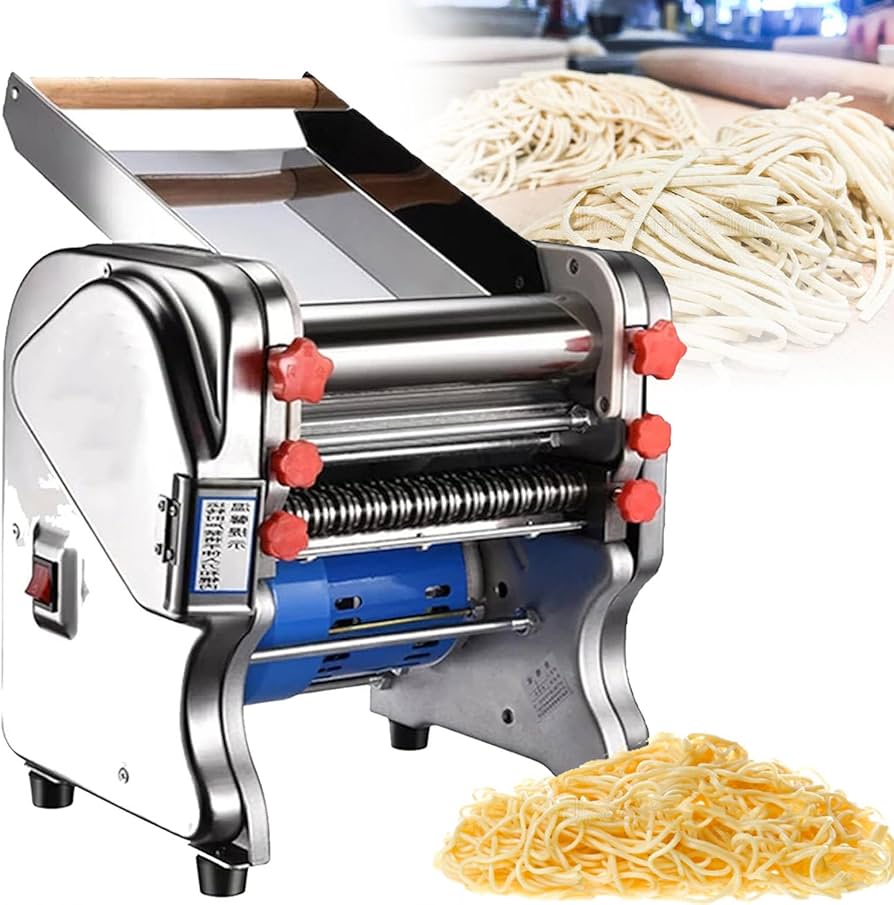
Fresh pasta has a way of bringing people together in the kitchen. Whether you live alone or cook for a family, the Household Pasta Maker has become a trusted companion for those who want more control over their ingredients and texture. Making pasta from scratch lets you sidestep processed products and choose exactly what goes into your dough, which matters greatly when someone at your table has a sensitivity to gluten.
Gluten sensitivity has prompted many home cooks to look beyond wheat flour. The good news is that a household pasta maker works well with a range of alternative flours, provided you approach the process with patience and a willingness to adjust. Not every flour behaves the way durum wheat does, and that is part of what makes gluten sensitive pasta making such a rewarding, hands on experience in the kitchen.
Rice flour is one of the more widely used options for those avoiding gluten. It produces a dough that is delicate and slightly grainy in texture, which gives the finished noodle a pleasant chew when cooked properly. The key is to add moisture gradually, since rice flour absorbs water differently than wheat. A little extra liquid often leads to a smoother dough that rolls and cuts cleanly. Resting the dough briefly after mixing also helps the flour fully hydrate before it passes through the machine.
Chickpea flour brings a nutty, earthy quality to pasta that pairs well with olive based sauces and roasted vegetables. It holds together reasonably well when hydrated correctly, though it can be more fragile during rolling. Blending it with a small amount of tapioca starch can improve elasticity, making the dough easier to handle and less prone to tearing at the edges.
Buckwheat flour, despite its name, contains no wheat and is naturally free of gluten. It carries a robust, slightly bitter flavor that works particularly well in heartier dishes. Buckwheat dough tends to be denser, so rolling it thin requires more effort and patience, but the result is a noodle with real depth of flavor that is difficult to replicate using refined alternatives.
Cassava flour has grown in popularity as a whole food substitute for wheat. It behaves closer to wheat flour than many other gluten free options, producing a dough that is pliable and relatively easy to work with. Many home cooks find it a gentle introduction to gluten sensitive pasta making when moving away from traditional recipes, since the texture and handling feel more familiar from the start.
Corn flour and sorghum flour round out the list of widely available alternatives. Corn flour produces a slightly sweet, golden noodle, while sorghum brings a mild flavor and a lighter color. Both can be used on their own or blended with other gluten free flours to achieve a more balanced texture and taste profile suited to a variety of sauces and preparations.
Working with these flours does come with a learning curve. Temperature, humidity, and resting time all influence how dough behaves, and what works on one day may need slight adjustment on another. Keeping notes on your results helps you refine your technique and build confidence over time. Many cooks also find that letting the dough rest a little longer than usual allows the alternative grains to absorb moisture more evenly, leading to fewer cracks and a more consistent roll through the machine.
The shift to gluten sensitive pasta making is not about sacrifice. With the right flour and a good machine, fresh pasta can be deeply satisfying and genuinely enjoyable for the whole table. Having a reliable machine at home makes the process far more approachable, turning what might feel like a complicated workaround into a simple, pleasurable routine. To see a range of pasta making options designed for home use, visit https://www.cnhaiou.com/product/ and find a model that fits your kitchen and daily cooking style.