

Good food tastes different outdoors. Something about the setting, the air, the fact that you carried everything on your back — it all adds up. And none of it happens without reliable fuel. For a lot of outdoor cooks, the first serious decision is not which stove to buy but which canister size actually makes sense for the trips they take. Among those options, the 450g Gas Canister keeps coming up, and the reasons why are worth understanding rather than just accepting as received wisdom.
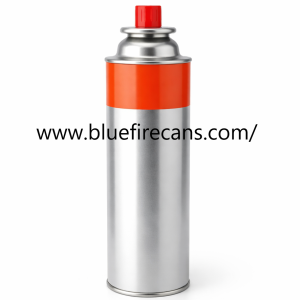
The number itself refers to fuel weight, not the container. Inside that pressurised shell — steel or aluminium depending on the design — sits 450 grams of liquefied gas. Butane, isobutane, propane, or some blend of these, held under pressure until the valve opens and the stove gets involved. The canister body adds its own weight on top of that, which matters when every gram is being counted, but the format remains genuinely portable across a range of trip types.
Size is deceptive in outdoor cooking. A small canister feels like a win at the trailhead and becomes a source of quiet anxiety by day two, particularly when cooking for two people or when cold weather is pushing the stove to work harder than expected. Go too large and the weight penalty follows you for days after the fuel runs out, which is its own kind of frustrating. The 450g sits in a range that removes most of this mental arithmetic. For trips stretching across several days, for pairs sharing a stove, for anyone who wants a margin of fuel rather than a precise calculation that leaves nothing spare, it tends to land in the right place without much deliberation.
Fuel type matters just as much as fuel quantity, and this is where things get more interesting. Pure butane is fine in warm conditions but loses its composure as temperatures drop toward freezing, because its vaporisation threshold sits uncomfortably close to that line. An isobutane blend handles the cold more gracefully. Add propane into the mix and the lower operating range extends further still. Knowing what is in the canister, not just how heavy it is, changes the calculus for trips at elevation or in shoulder season when mornings turn cold unexpectedly.
Stove compatibility deserves a mention too, because assuming it and being wrong is a miserable way to start a trip. Most backpacking stoves use a threaded valve connection that accepts a wide range of canisters, but not all connections are identical across every manufacturer. A quick compatibility check before departure takes a minute and prevents the specific frustration of standing at a campsite holding two pieces of kit that refuse to connect.
Between trips, storage is something people tend to think about less than they should. Nothing complicated is required — cool, stable, ventilated, upright, away from heat sources and anything that ignites. What damages pressurised canisters over time is not careful storage but indifferent storage. The car boot in summer, the garage floor near a south-facing wall, the shelf directly above the boiler — all of these introduce conditions the canister was not designed to handle repeatedly.
The 450g Gas Canister has found its place in outdoor cooking kits for reasons that hold up under scrutiny. Enough fuel for genuine multi-day use without tipping into unnecessary bulk. Available in formulations that suit different temperatures and conditions. A format that fits how people actually travel rather than how gear catalogues assume they do. Bluefire makes gas canisters built for real outdoor use across varied conditions. The full range is available at https://www.bluefirecans.com/product/ .