

For any live-service game, the arrival of an expansion represents a pivotal moment. It is a declaration that the foundation is secure enough to build upon, that the world is vast enough to expand, and that the developers have a vision that extends beyond seasonal rotations. For Diablo 4, Vessel of Hatred marked this milestone, introducing not merely new content but a new standard for what the game could become. The expansion horizon of Diablo 4 is a story of growth, ambition, and the ongoing evolution of Sanctuary.
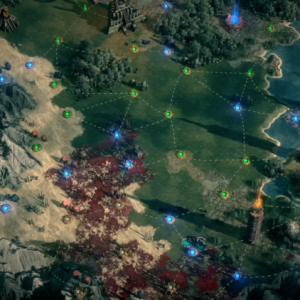
Vessel of Hatred transported players to the jungles of Nahantu, a region previously glimpsed only in lore and in the classic Diablo 2. This new zone represented a significant departure from the desolate landscapes of the base game, offering dense canopies, ancient temples, and a culture steeped in the history of the Umbaru tribes. The expansion demonstrated that Diablo 4’s open world could accommodate radically different biomes, each with its own visual identity, enemy types, and narrative threads. Nahantu was not merely an addition; it was a statement that Sanctuary is vast and filled with stories yet untold.
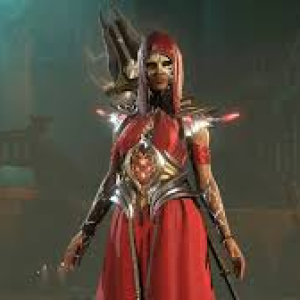
The centerpiece of the expansion was the Spiritborn, a new class that introduced mechanics unlike anything previously available. The Spiritborn drew power from four spirit guardians—the jaguar, the eagle, the gorilla, and the centipede—each offering distinct playstyles that could be mixed and matched through a unique class mechanic. The Spiritborn emphasized mobility, combo building, and the interplay between different spirit abilities, creating a class that rewarded both quick reflexes and strategic planning. Its arrival reshaped the class meta and offered veterans a completely new way to experience the game.
The expansion also deepened the endgame structure. The introduction of Dark Citadel provided a cooperative raid-like experience, requiring coordinated groups to navigate mechanics that demanded communication and teamwork. This addition signaled a willingness to explore new forms of group content beyond the traditional boss fights and dungeon runs. The Kurast Undercity offered a timed, objective-based activity that rewarded efficiency and build optimization, giving players another avenue for targeted loot farming. These additions expanded the endgame ecosystem, ensuring that players had meaningful choices about how to spend their time.
Underpinning the expansion was a continuation of the philosophy that had guided the game’s seasonal updates: listening to the community and iterating on systems. The expansion incorporated quality-of-life improvements gleaned from years of feedback, from streamlined gearing to improved party finding tools. It demonstrated that the developers viewed expansions not as isolated releases but as integral parts of a living, evolving platform. The narrative threads introduced in Vessel of Hatred set up future storylines, promising that the expansion horizon is not a single event but an ongoing journey.
’s expansion represents a maturation of the franchise’s live-service ambitions. It proved that the game could deliver significant new content without abandoning the iterative, responsive approach that had rebuilt player trust after the rocky early months. The expansion horizon stretches forward, with the promise of more regions, more classes, and more systems to come. For a game built on the pursuit of endless power, the greatest power may be the knowledge that Sanctuary will continue to grow, offering new lands to conquer and new legends to forge.