


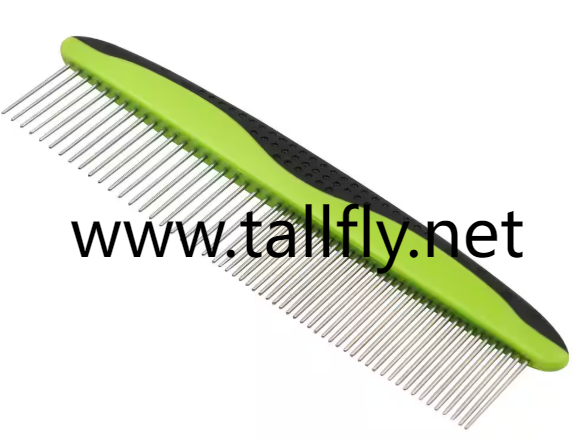
Shedding creates ongoing frustration for pet owners who find loose fur accumulating on furniture, clothing, and floors despite regular grooming efforts. Standard brushing seems to make limited impact on the volume of hair your companion releases throughout your home. Understanding the functional differences between conventional grooming tools and specialized deshedding implements helps explain why results vary so dramatically. Working with an experienced Pet Brush Manufacturer provides access to both types, but knowing which serves which purpose prevents mismatched expectations and disappointing outcomes.
Regular brushes focus primarily on surface grooming, smoothing the topcoat and removing tangles or debris caught in visible fur layers. Their bristles or pins work through the outer hair, distributing natural oils and creating a polished appearance. These tools serve important maintenance functions by preventing mat formation and keeping coats looking tidy. However, they rarely reach the dense undercoat layer where the majority of shed hair originates during seasonal transitions or ongoing shedding cycles.
Deshedding tools employ entirely different mechanical principles designed specifically to target loose undercoat fur before it falls naturally throughout your environment. Rather than smoothing surface hair, these specialized implements feature metal teeth or blades with precise edge geometry that penetrates through the topcoat to reach the softer, denser undercoat beneath. The tooth design catches loose, dead undercoat fibers while allowing healthy attached hair to pass through unaffected.
The key distinction lies in how each tool interacts with different hair types. Topcoat guard hairs grow longer and coarser, serving protective functions against weather and environmental hazards. These hairs shed gradually in smaller quantities. Undercoat fur grows much denser but finer, providing insulation that animals adjust seasonally. During shedding periods, this undercoat releases in substantial volumes as your pet adapts to temperature changes. A Pet Brush designed for deshedding specifically extracts this loose undercoat that conventional brushes simply pass over.
Tooth spacing on deshedding implements differs significantly from regular grooming tools. Wide gaps between teeth allow the tool to penetrate deeply without catching every hair strand. This selective engagement means the implement grabs loose, ready to shed fibers while leaving firmly rooted hair untouched. Regular brushes feature closer tooth or bristle spacing intended to engage all hair for smoothing purposes rather than selective undercoat removal.
The angle and sharpness of teeth also distinguish these tools functionally. Deshedding implements often incorporate slight blade edges that catch loose undercoat as the tool passes through, similar to how a rake gathers leaves. These edges require careful design to remove loose fur without cutting healthy attached hair or scraping skin. Regular brushes use rounded, blunt tips that massage and smooth without any cutting or raking action.
Usage frequency differs between tool types based on their purposes. Regular brushing maintains coat appearance and should occur frequently, even daily for some breeds. Deshedding sessions happen less often, typically weekly or during heavy shedding seasons, because overuse can remove too much undercoat and compromise the coat's protective insulation properties. Understanding this frequency difference prevents overgrooming that strips natural coat functions.
The visible results from each tool type provide clear evidence of their different functions. Regular brushing produces modest amounts of loose surface hair and leaves the coat looking groomed. Deshedding sessions yield surprisingly large quantities of fine, fluffy undercoat fur even from animals who appear to shed minimally. This dramatic undercoat removal significantly reduces the ambient shedding that occurs throughout your home between grooming sessions.
Some owners mistakenly use deshedding tools as everyday brushes, applying them too frequently or with excessive pressure. This overuse can thin the undercoat beyond natural shedding, potentially affecting temperature regulation. A Pet Brush intended for deshedding should complement rather than replace regular grooming routines, serving its specific purpose at appropriate intervals.
Both tool types serve valuable functions within comprehensive grooming programs. Regular brushes maintain surface coat health and appearance while deshedding implements address the underlying source of household fur accumulation through targeted undercoat management. For grooming tools designed for specific purposes from surface maintenance to undercoat management, visit https://www.tallfly.net/ to review options suited to your pet's coat characteristics and your household needs.