

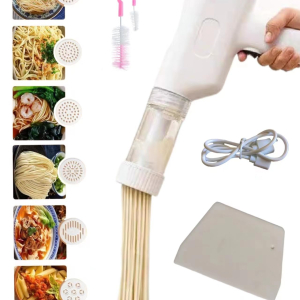
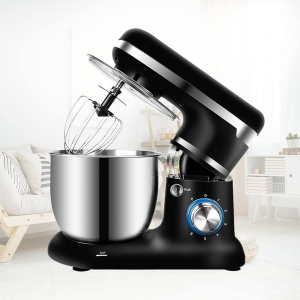
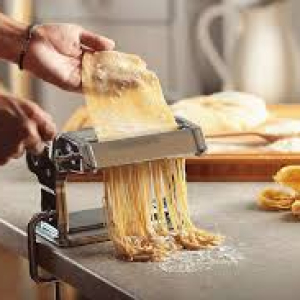
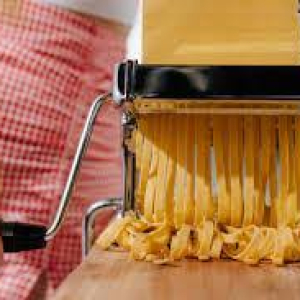
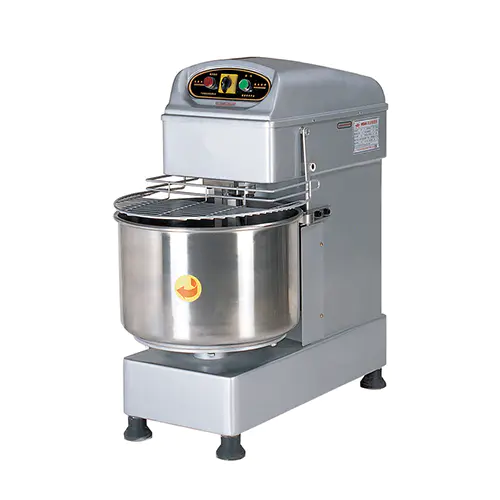
Creating restaurant-quality ramen noodles at home begins long before strands hit boiling water. The foundation rests in properly developed dough, and an Electric Dough Mixer Factory produces equipment specifically designed to handle the demanding characteristics of alkaline noodle preparations. Ramen dough differs substantially from typical pasta, requiring specialized mixing approaches that automated equipment handles with remarkable efficiency.
The alkaline nature of ramen dough presents unique challenges that hand mixing struggles to overcome. Unlike Italian pasta dough with higher moisture content, ramen formulations contain minimal water combined with alkaline salts that create stiff, resistant mixtures. This low hydration produces the characteristic firm texture and springy bite that define quality ramen, but it also demands sustained mechanical force that quickly exhausts manual efforts.
Preparing your alkaline solution properly sets everything in motion correctly. Dissolving mineral salts thoroughly in water before adding to flour ensures even distribution throughout the dough. Incomplete dissolution creates pockets of concentrated alkalinity that produce unpleasant flavors and inconsistent texture. Taking time to stir until completely clear prevents problems that emerge only after noodles are cooked.
Temperature considerations affect how ingredients interact during mixing. Room temperature water incorporates more smoothly than cold liquid, which can cause flour to clump and resist hydration. Excessively warm water, however, may begin activating proteins prematurely or create overly soft dough. Lukewarm liquid strikes the ideal balance for uniform mixing and proper gluten development.
Measuring flour accurately prevents the need for mid-process adjustments that disrupt workflow. Ramen dough tolerates less improvisation than softer pasta doughs, as the tight hydration ratios leave minimal margin for error. Using weight measurements rather than volume cups eliminates variables introduced by flour settling, humidity, and measurement technique differences.
Loading the Haiou Electric Dough Mixer bowl strategically facilitates better incorporation. Placing dry ingredients first and creating a depression in the center allows controlled liquid addition. Pouring alkaline water gradually into this well while mixing at low speed prevents dry flour from flying out while ensuring moisture distributes evenly from the beginning.
The initial mixing phase appears rough and unpromising. Ramen dough starts as what resembles damp breadcrumbs rather than cohesive mass. Trusting the process despite this crumbly appearance proves essential, as the machine's continued action gradually brings everything together. Adding extra water at this stage, though tempting, creates overly soft noodles that turn mushy in broth.
Increasing speed once ingredients combine initiates true kneading action. The dough hook pulls and folds the stiff mixture repeatedly, developing gluten networks that provide structure and elasticity. This phase demands patience, as ramen dough requires extended kneading compared to softer formulations. The physical resistance means motors work harder, making quality equipment particularly valuable.
Monitoring dough transformation helps identify when kneading reaches completion. The surface transitions from rough and pebbled to smooth and somewhat shiny. Pressing a finger into the dough should meet firm resistance, with the impression slowly filling back. These tactile cues indicate sufficient gluten development for extrusion.
Resting the finished dough proves critical despite the urge to proceed immediately. This pause allows gluten strands to relax after vigorous kneading, preventing excessive resistance during extrusion. The rest period also permits any remaining dry flour particles to hydrate fully, eliminating weak spots that create breakage during cooking.
Wrapping dough tightly during rest prevents surface drying that forms skin. Even brief air exposure creates crusty exterior layers that don't extrude smoothly. Plastic wrap pressed directly against the dough surface or a damp towel covering provides adequate protection during the relatively short rest required.
Portioning dough before extrusion makes the process more manageable. Working with smaller amounts prevents motor strain and produces more consistent noodle thickness. Keeping unused portions wrapped while extruding batches maintains proper moisture throughout the entire quantity.
The firmness of properly mixed ramen dough means extrusion requires more force than softer pasta doughs demand. Equipment designed for this application features robust motors and durable components capable of sustained pressure. The Haiou Electric Dough Mixer handles these requirements effectively, preventing the overheating or mechanical failure that underpowered machines experience.
Selecting noodle thickness influences both texture and cooking time. Thinner strands suit delicate broths and quick meals, while thicker noodles provide substantial chew that stands up to rich, heavy soups. Experimenting with different dies helps identify preferences for various ramen styles you prepare.
Dusting extruded noodles prevents clumping during the brief interval before cooking. Cornstarch works effectively without adding flour taste, though traditional rice flour also serves well. Light coating suffices, as excess creates cloudy cooking water and affects broth clarity.
Fresh ramen noodles cook rapidly once they hit boiling water. Preparing broth and toppings before beginning noodle extrusion ensures everything comes together at ideal temperatures. The synchronization transforms ramen making from scattered tasks into smooth workflow where each component reaches completion simultaneously.
Mastering ramen preparation with automated mixing equipment brings authentic Japanese noodle experiences into your home kitchen. The control over ingredients, texture, and freshness creates bowls that commercial products cannot match. Whether preparing traditional tonkotsu bases or innovative fusion broths, fresh noodles elevate every variation. Those ready to commit to serious ramen making can review specialized equipment at https://www.cnhaiou.com/product/ to identify machines built for handling demanding alkaline dough preparations effectively.